Choosing the Right Batching Plant for Your Project
6th Mar, 2026
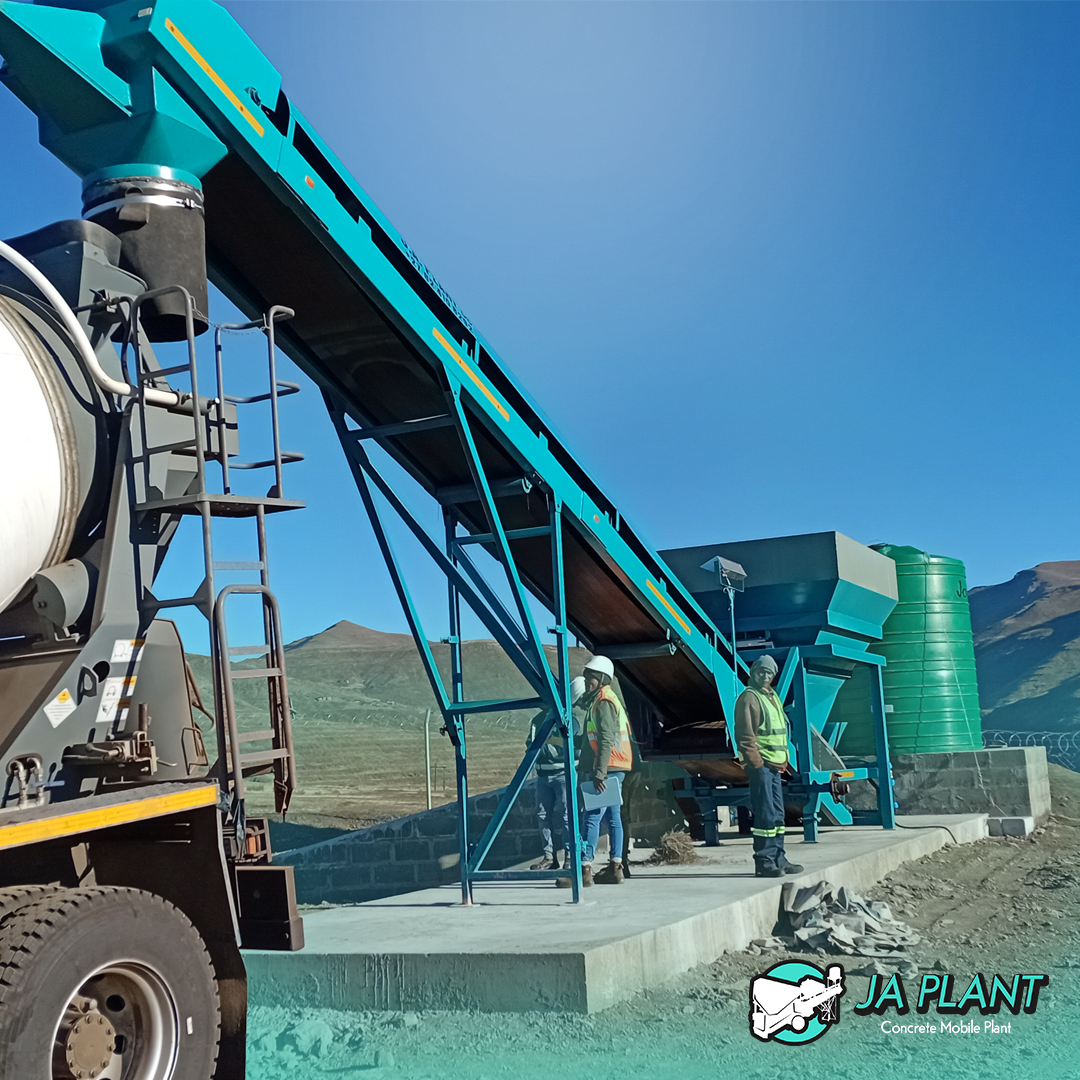
Choosing the right batching plant is one of the most important decisions you’ll make when planning a construction project. The batching plant you select will directly affect concrete quality, production efficiency, site logistics, operating costs, and overall project timelines.
At JA Plant, we work with contractors, developers, and project managers across Africa who are looking for practical, reliable concrete production solutions. One thing is consistent across every project: the “right” batching plant is never a one-size-fits-all decision.
This guide breaks down the key factors you should consider when choosing a batching plant, helping you match the plant to your project requirements, site conditions, and long-term operational needs.
Key factors you should consider when choosing a batching plant
1. Start With Your Project Scope and Output Requirements
Before comparing batching plants, you need clarity on what your project actually demands.
Ask yourself:
-
How much concrete do you need to produce per day or per hour?
-
Is this a short-term project or a long-term operation?
-
Will production volumes remain consistent or fluctuate?
Smaller civil works, housing developments, and regional infrastructure projects often require moderate, consistent output rather than industrial-scale production. In these cases, a compact, mobile batching plant can deliver reliable volumes without the complexity and cost of large fixed installations.
Overspecifying a batching plant leads to unnecessary capital spend, higher running costs, and underutilised equipment. Underspecifying it can cause production bottlenecks, delays, and quality issues. Matching capacity to real output needs is the first step to getting this decision right.
2. Understand the Difference Between Fixed and Mobile Batching Plants
One of the most common decision points is whether a project needs a mobile or fixed batching plant.
Fixed batching plants
Fixed plants are designed for permanent installations and very high production volumes. They typically require:
-
Extensive civil foundations
-
Permanent power and water infrastructure
-
Extensive installation periods
-
Long setup and commissioning timelines
These plants make sense for large-scale commercial operations with long operational lifespans at a single location.
Mobile batching plants
Mobile batching plants are designed for flexibility. They can be:
-
Transported between sites (Towed)
-
Installed quickly & easily
-
Operated with minimal civil works
For contractors working across multiple projects or in remote areas, mobile batching plants offer significant operational advantages. They allow concrete production to happen directly on site, reducing reliance on ready-mix suppliers and cutting transport delays, project planning in advance.
JA Plant specialises in dry mobile batching plants, which are engineered to balance production efficiency with mobility and ease of use.
3. Wet vs Dry Batching: What’s the Right Fit?
Another critical consideration is whether your project requires a dry or wet batching plant.
Dry batching plants
Dry batching plants measure and mix sand and cement before feeding the dry mix into a concrete mixer truck. Water is added in the truck with your mix design.
This setup offers:
-
Lower maintenance requirements
-
Reduced mechanical complexity
-
Faster setup and relocation
-
Lower upfront and operating costs
Dry batching plants are ideal for construction environments where reliability, simplicity, and mobility are priorities.
Wet batching plants
Wet plants mix all components, including water, inside a central mixer before discharge into your mixer truck. While suitable for certain high-volume or specialised applications, they are typically heavier, more complex, and less flexible.
For many site-based construction projects, dry batching plants provide the right balance between performance and practicality.
4. Evaluate Site Conditions and Accessibility
Your batching plant must work with your site, not against it.
Important site considerations include:
-
Available space
-
Ground conditions
-
Access for trucks and loaders
-
Terrain and slope
-
Transport routes to and from the site
Mobile batching plants are particularly valuable on constrained or temporary sites. JA Plant’s units are designed with wheels and towing hooks, chevron board with lights, allowing them to be moved using your mixer truck without specialised transport equipment.
This flexibility reduces downtime between projects and simplifies logistics, especially for contractors operating in rural or developing areas.
5. Prioritise Ease of Operation and Maintenance
A batching plant should simplify your operations, not complicate them.
Look for features that support:
-
Straightforward operation
-
Minimal training requirements
-
Easy access to wear parts
-
Simple calibration and controls
Complex systems may promise higher automation but often come with increased maintenance costs and longer downtime when issues arise.
JA Plant batching plants are engineered with practical operation in mind. By focusing on robust mechanical design and straightforward systems, we help contractors keep production running smoothly without over-engineering the solution.
6. Consider Total Cost of Ownership, Not Just Purchase Price
The initial cost of a batching plant is only part of the equation.
Long-term costs include:
-
Fuel and power consumption
-
Maintenance and spares
-
Labour requirements
-
Transport and relocation expenses
-
Downtime risk
A lower upfront price does not always translate into better value. A plant that is unreliable, difficult to maintain, or expensive to move can cost significantly more over its operational life.
Choosing a plant designed for durability, mobility, and low maintenance often results in better long-term return on investment, particularly for contractors managing multiple projects.
7. Think Beyond the Current Project
One of the most overlooked aspects of batching plant selection is future use.
Ask:
-
Will this plant be used on future sites?
-
Can it adapt to different project sizes? Upgraded to a larger plant?
-
Is it easy to relocate and recommission?
Mobile batching plants offer long-term flexibility, allowing contractors to spread capital investment across multiple projects rather than tying equipment to a single site.
This future-proofing is especially valuable in construction environments where project scopes and locations change frequently.
8. Choose a Manufacturer That Understands Your Industry
Beyond the plant itself, the manufacturer matters.
A reliable batching plant supplier should offer:
-
Industry-specific expertise
-
Practical guidance during selection
-
Ongoing technical support
-
Access to spares and after-sales services
At JA Plant, we design and manufacture batching plants specifically for real-world construction environments. Our focus is not on selling the biggest plant possible, but on delivering equipment that works reliably in the conditions our clients face every day.
Making the Right Choice
Choosing the right batching plant comes down to understanding your project needs, site conditions, and long-term operational goals. By focusing on capacity, mobility, simplicity, and total cost of ownership, contractors can avoid costly mistakes and invest in equipment that genuinely supports project success.
A batching plant should be an enabler — improving efficiency, reducing reliance on external suppliers, and giving you greater control over concrete quality and production schedules.
If you’re evaluating batching plant options for an upcoming project, taking the time to make an informed decision now can pay dividends across every pour that follows.