Concrete Supply Is a Challenge on Rural Construction Sites
1st Jun, 2026
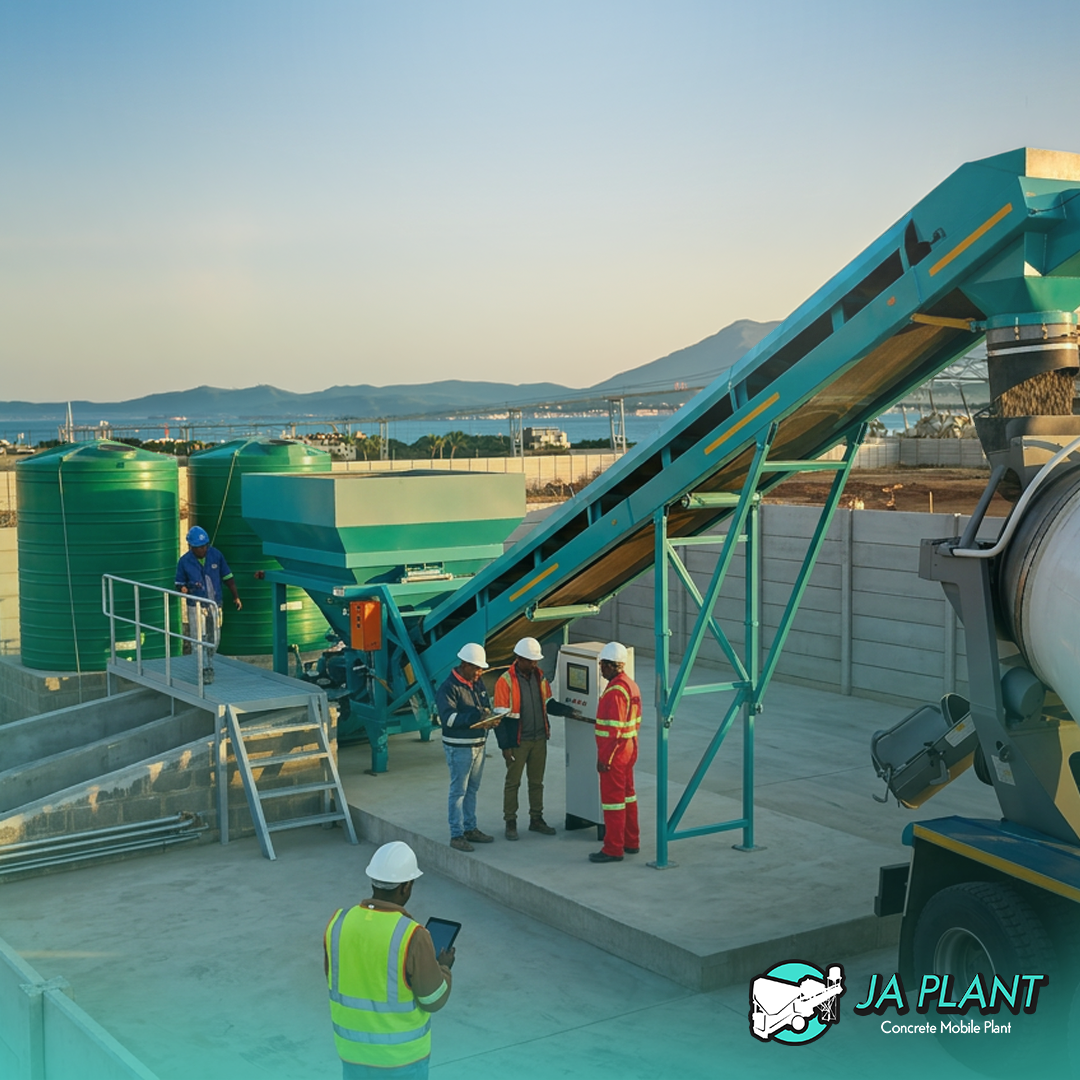
Concrete supply is one of the most important operational factors on any construction project. But on rural sites, it becomes far more than a material-ordering task. It becomes a logistics challenge, a scheduling risk, and in some cases, a major source of delay.
In urban areas, contractors usually have access to multiple ready-mix suppliers, shorter delivery routes, better road networks, and more flexibility when site conditions change. Rural construction projects are different. Sites are often far from established supply infrastructure, access roads may be limited, and delivery timing can be harder to control.
For civil contractors working in rural areas, concrete supply is not just about getting concrete to site. It is about getting the right concrete to the right location at the right time, often under difficult and unpredictable conditions.
That is why concrete supply should be treated as a strategic project consideration, especially on rural civil construction projects where delays can affect labour, equipment, sequencing, and overall project delivery.
This article explores why concrete supply is such a common challenge on rural construction sites, what causes those challenges, and when contractors should consider more controlled alternatives, such as on-site concrete production.
Rural Construction Sites Operate Under Different Conditions
Rural construction projects are often judged by the same output expectations as urban projects: meet deadlines, manage costs, maintain quality, and keep the programme moving.
But the site conditions are rarely equal.
A rural project may be located far from commercial centres, industrial zones, or established material suppliers. It may involve long access roads, limited infrastructure, and fewer nearby service providers. Even basic site operations can require more planning because support is not always close at hand.
This creates a different operating environment for contractors.
Where an urban site may be able to recover quickly from a missed delivery or schedule change, a rural site may lose several hours, or even an entire day. Where an urban contractor may have alternative suppliers nearby, a rural contractor may have only one practical source of ready-mix concrete, and that source may be located far from the project.
This distance affects more than transport. It affects planning, flexibility, risk, and productivity.
For concrete works, that matters.
Concrete is time-sensitive. It needs to be produced, transported, placed, and finished within a workable timeframe. When the supply chain is stretched across long distances, the contractor has less room for error.
That is one of the main reasons concrete supply becomes a recurring challenge on rural construction sites.
The Distance Problem
Distance is one of the most obvious challenges in rural concrete supply, but its impact is often underestimated.
When a construction site is located far from a ready-mix supplier, every delivery becomes more complicated. Trucks must travel longer routes. Delivery windows become harder to manage. The contractor has less flexibility if work starts late, ground conditions change, or the pour needs to be adjusted.
Longer distances can affect:
-
delivery timing
-
transport cost
-
concrete workability
-
scheduling reliability
-
pour coordination
-
supplier availability
-
the contractor’s ability to react to site changes
The problem is not only that the concrete has further to travel. The problem is that longer transport routes introduce more variables.
A delay at the plant, slow travel conditions, roadworks, bad weather, difficult site access, or a single truck arriving late can disrupt the entire pour. On rural projects, those delays are harder to absorb because backup options are limited.
This creates a simple but important question for contractors:
How much of the project’s productivity depends on concrete arriving from far away, on time, every time?
If the answer is “a lot,” then concrete supply is not just a procurement issue. It is a project risk.
Limited Ready-Mix Availability
In many rural areas, contractors do not have the same choice of concrete suppliers that they would have in cities or larger towns.
There may be fewer ready-mix plants within practical reach. In some cases, there may be only one supplier close enough to consider. In more remote locations, there may be no commercially viable ready-mix source nearby at all.
This limited availability creates several problems.
First, contractors may have less negotiating power. If supplier options are limited, the contractor has fewer alternatives when pricing, scheduling, or service levels become difficult.
Second, the project may have to fit around the supplier’s availability. If the supplier is already servicing other projects, the rural site may not always receive priority delivery slots.
Third, urgent changes become harder to accommodate. If the site needs concrete earlier, later, or in different volumes than expected, the supplier may not be able to respond quickly.
On rural civil projects, that lack of flexibility can become a major issue.
Civil construction rarely follows a perfectly fixed daily plan. Ground conditions change. Excavation work may take longer than expected. Access may be delayed. Rain can disrupt preparation. Inspections may shift. Labour and equipment availability may change.
When the project depends on a supplier located far away, every change becomes more difficult to manage.
This is why rural contractors often need a more controlled approach to concrete supply, especially when concrete is required repeatedly across the project.
Delivery Timing Is Harder to Control
Concrete supply depends heavily on timing.
If concrete arrives too early, the site may not be ready. If it arrives too late, crews may stand idle. If multiple trucks arrive too close together, the site may struggle to place and manage the volume. If trucks arrive too far apart, the pour may be interrupted.
In urban areas, shorter delivery distances can make timing easier to manage. On rural sites, the timing window becomes more fragile.
A rural contractor may need to coordinate:
-
batching at the supplier’s plant
-
truck dispatch times
-
long-distance travel
-
site access conditions
-
offloading and placement equipment
-
labour availability
-
inspection requirements
-
weather conditions
-
multiple pours across different areas of site
The longer and more complex that chain becomes, the more opportunity there is for delay.
And on a rural site, even a small timing issue can create a larger disruption.
For example, if a truck is delayed by one hour on an urban project, the contractor may be able to adjust quickly or request another nearby delivery. On a rural project, that delay may affect an entire work crew, a pump, a crane, or follow-on activities that were planned around that pour.
This is one of the biggest hidden costs of rural concrete supply: the cost of waiting.
The Hidden Cost of Waiting for Concrete
When contractors think about concrete costs, they often focus on the material price. But on rural sites, the true cost of concrete supply includes much more than the price per cubic metre.
If concrete is delayed, the contractor may also be paying for:
-
labour standing idle
-
equipment waiting on site
-
supervisors losing productive time
-
subcontractors being delayed
-
plant and machinery underutilisation
-
extended working hours to recover lost time
-
disruptions to the construction programme
-
additional coordination and rescheduling
These costs are not always easy to see on a supplier invoice, but they are very real.
A delayed concrete delivery can affect the entire rhythm of a site. Crews may be ready but unable to proceed. Equipment may be booked but unused. A prepared area may be exposed to weather while waiting for the pour. Follow-on activities may need to be pushed back.
On rural projects, this is especially damaging because recovery options are limited.
If a site is far from suppliers, additional deliveries may not be available at short notice. If the project is in a remote area, extending working hours may be difficult or costly. If weather conditions change, a missed timing window may create further delays.
This is why concrete supply delays can become much more expensive than they first appear.
The issue is not only the delayed material. The issue is the disruption to the entire site operation.
Access Roads and Site Conditions Add More Risk
Rural construction sites often involve more difficult access conditions than urban sites.
The project may be reached by gravel roads, temporary access routes, narrow farm roads, steep gradients, or roads affected by weather. In some cases, the final approach to the site may not be designed for frequent heavy vehicle movement.
This creates practical challenges for concrete delivery trucks.
Poor access can lead to:
-
slower travel times
-
increased vehicle wear
-
delivery delays
-
difficulty reaching the pour location
-
safety concerns
-
restricted delivery windows
-
higher risk during wet weather
-
the need for additional handling or transfer on-site
Even when the supplier can deliver to the general area, getting concrete to the exact work front may still be difficult.
This is especially relevant for rural civil construction, where the project area may be spread out rather than concentrated in one location. A drainage project, road-related civil works, or water infrastructure project may involve multiple concrete points across a wide area.
In these cases, the issue is not only reaching the site entrance. The contractor also has to manage movement within the site.
If concrete trucks cannot easily access the required location, the contractor may need additional equipment, more labour, or extra handling steps. Each added step increases time, cost, and complexity.
Weather Has a Bigger Impact in Rural Areas
Weather affects all construction projects, but rural sites are often more exposed to weather-related disruption.
Rain can affect access roads. Heat can affect concrete workability. Wind can make finishing more difficult. Poor weather can slow preparation work, delay inspections, or make certain areas of the site temporarily inaccessible.
When concrete is supplied from far away, weather introduces an extra layer of risk.
A site may not be ready when the truck arrives. A delivery route may become slower. A prepared pour area may be affected by rain before concrete is placed. Crews may need to delay work at short notice.
When contractors depend entirely on external supply, they have less ability to adjust production timing around real site conditions.
This matters because rural construction often requires practical decision-making on the day. Conditions can change quickly, and the contractor may need to shift priorities to keep work moving.
If the concrete supply model is too rigid, the site loses flexibility.
On-site concrete production can help address this challenge by giving contractors more control over when concrete is produced. That does not remove weather risk completely, but it can make the site more responsive.
Rural Civil Projects Often Need Repeated Concrete, Not Just One Pour
One of the most important points to understand is that rural civil contractors often do not need concrete only once.
They may need concrete repeatedly across the project for different elements, including:
-
culverts
-
drainage channels
-
headwalls
-
foundations
-
pump station works
-
water infrastructure
-
retaining structures
-
small bridges
-
road-related concrete works
-
plinths and support structures
This repeated demand changes the supply equation.
If a project needs one small concrete pour, outsourcing the supply may be perfectly practical. But if concrete is required week after week, across multiple locations, the contractor must look at reliability and control more seriously.
Repeated concrete demand increases the consequences of supply inefficiency.
A one-time delay is frustrating. A recurring supply issue becomes a pattern that affects the project programme.
This is why rural civil contractors should evaluate concrete supply not only by individual pours, but by the total concrete requirement across the project.
Useful questions include:
-
How often will concrete be needed?
-
How far is the site from the nearest reliable supplier?
-
How much downtime would a missed delivery create?
-
How difficult is access to the workfront?
-
How often will site conditions require schedule changes?
-
Is the project dependent on multiple small or medium pours?
-
Would greater control over concrete timing improve productivity?
When those questions reveal repeated risk, on-site production becomes much more relevant.
Linear and Distributed Sites Make Supply More Complex
Many rural civil projects are not located in one compact site area.
They may be linear or distributed, meaning the work moves across a long distance or multiple work points. Examples include road-related civil infrastructure, drainage lines, water pipelines, culverts, canals, and rural infrastructure upgrades.
This creates a specific supply challenge.
A ready-mix truck may be able to reach one point, but as the project progresses, the workfront may move further away or become harder to access. The contractor may need to coordinate concrete deliveries across different locations, sometimes with changing priorities.
This makes the concrete supply more complicated than a simple delivery from the plant to the site.
The contractor may need to manage:
-
changing pour locations
-
multiple access points
-
shifting workfronts
-
temporary roads
-
crews working in different areas
-
equipment movement
-
concrete timing across distributed tasks
For these types of projects, the mobility of the concrete supply solution becomes important.
A mobile batching plant can support this type of work because it can be positioned closer to where concrete is needed. Instead of forcing every delivery to depend on a distant external source, the contractor can bring production closer to the project.
That is one of the key reasons mobile batching plants are relevant to rural civil construction.
Quality Control Becomes Harder When Supply Is Stretched
Concrete quality depends on proper batching, transport, handling, placement, and curing. The longer and more complicated the supply route, the more carefully the process needs to be managed.
On rural sites, long transport distances can create concerns around consistency and workability, especially if there are delays between batching and placement.
This does not mean ready-mix concrete cannot meet quality requirements on rural sites. It often can. But it does mean that longer supply chains require more coordination and leave less room for disruption.
If there are delays on the road, access problems, or site readiness issues, the contractor may face increased pressure during placement.
Quality control also becomes more difficult when pours are spread across different parts of a rural project. The contractor needs a reliable supply, consistent coordination, and proper site preparation every time.
On-site batching can support better control in the right project context because production happens closer to the point of use. This can reduce some of the risks linked to long delivery routes and give the contractor more direct oversight of the production process.
Again, the value is control.
Communication Gaps Can Disrupt the Programme
Construction relies on coordination. Rural construction requires even more coordination because distances are longer and recovery options are fewer.
When concrete is delivered from an external supplier, the contractor depends on clear communication between:
-
site managers
-
foremen
-
the supplier
-
dispatch teams
-
truck drivers
-
plant operators
-
inspectors
-
placement crews
-
equipment operators
A communication delay or misunderstanding can affect the pour.
For example:
-
the supplier may dispatch at the wrong time
-
the site may not be ready when trucks arrive
-
the required volume may change
-
access instructions may be unclear
-
weather may force a last-minute delay
-
the pour location may shift
-
additional concrete may be needed unexpectedly
In a rural environment, small coordination issues can have large consequences.
If the site is far away, correcting a mistake takes longer. If additional concrete is needed, it may not be available quickly. If a truck arrives at the wrong location, travel time within or around the site can cause delays.
This is another reason why contractors working in rural areas often value greater control over the concrete supply process.
The Risk of Programme Disruption
Every construction project has a programme. But in rural civil construction, delays can be more difficult to recover from.
A concrete supply issue can affect more than the pour itself. It can delay excavation, installation, backfilling, curing time, follow-on trades, inspections, and equipment scheduling.
This creates a chain reaction.
For example, a delayed culvert pour can hold up backfilling. Delayed backfilling can affect access or road formation. That can then delay other sections of work. What started as a concrete supply issue becomes a broader project sequencing issue.
This is why rural contractors cannot afford to think about concrete supply in isolation.
Concrete is often linked to critical project activities. If supply is unreliable, the project programme becomes more vulnerable.
For contractors working under deadlines, penalties, public infrastructure pressure, or tight resource planning, that vulnerability matters.
Why “Available” Does Not Always Mean “Practical”
One of the most important distinctions in rural construction is the difference between supply availability and supply practicality.
A ready-mix supplier may technically be able to deliver to a rural site. But that does not automatically mean the supply model is practical for the project.
A contractor should consider:
-
How long does delivery take?
-
How reliable are the delivery windows?
-
What happens if the site is not ready?
-
Can the supplier respond to changes?
-
Are multiple trucks available when needed?
-
What is the cost of waiting?
-
How often will concrete be required?
-
Can the project tolerate delays?
-
Is the supply model helping or limiting productivity?
If the supplier can deliver but the contractor still loses time, flexibility, or control, then the model may not be the best fit.
This is where rural civil contractors need to think strategically.
The goal is not just to source concrete. The goal is to support efficient project delivery.
When Contractors Should Reconsider Their Concrete Supply Model
Not every rural project needs on-site concrete production. But there are clear warning signs that the current supply model may be creating unnecessary risk.
Contractors should reconsider their approach when:
-
the site is far from the nearest ready-mix plant
-
deliveries are frequently delayed
-
crews regularly wait for concrete
-
access routes make delivery unpredictable
-
concrete is required repeatedly across the project
-
the workfront moves over time
-
schedule changes are common
-
small delays create larger programme disruption
-
supplier availability limits site productivity
-
project control is becoming too dependent on external dispatch
When these issues appear together, the concrete supply model deserves closer attention.
This does not automatically mean buying a mobile batching plant is the right move. But it does mean the contractor should evaluate whether on-site concrete production could improve control, reduce downtime, and support a more reliable workflow.
How On-Site Concrete Production Addresses Rural Supply Challenges
On-site concrete production gives contractors a more controlled way to manage concrete supply in rural environments.
Instead of relying entirely on long-distance delivery from a remote supplier, concrete can be produced at or near the project location.
This can help contractors:
-
reduce dependence on external delivery schedules
-
improve responsiveness to site conditions
-
produce concrete closer to the work front
-
support repeated pours across the project
-
reduce waiting time caused by transport delays
-
improve control over daily planning
-
manage concrete availability more directly
-
support remote projects where ready-mix supply is limited
The benefit is not simply convenience. It is operational control.
For rural civil construction projects, control is often what separates a smooth programme from a disrupted one.
When concrete production is closer to the site, the contractor has more flexibility to align batching with actual site readiness. This can be especially valuable when work depends on weather, inspections, excavation progress, or changing access conditions.
That is why mobile batching plants are a practical solution for many rural civil contractors.
Where Mobile Batching Plants Fit In
A mobile batching plant is designed to support concrete production where the work is happening.
For rural projects, this is important because the contractor may not have reliable access to nearby commercial batching infrastructure. A mobile batching plant allows concrete to be produced closer to the site, reducing the reliance on long external transport routes.
This is especially useful for contractors involved in:
-
rural civil infrastructure
-
drainage and culvert projects
-
water and sanitation infrastructure
-
remote structural works
-
road-related civil concrete works
-
long-duration rural projects
-
distributed or moving workfronts
For JA Plant, this is where the conversation becomes highly relevant.
The value of a mobile batching plant is not only that it produces concrete. It helps contractors take control of a major project dependency.
On rural sites, that control can support better planning, fewer delays, and more practical site execution.
This ties directly into the broader pillar topic: On-Site Concrete Production for Rural Civil Construction Projects.
That pillar explores the full business case for on-site batching, including when it makes financial and operational sense, which civil applications are best suited to it, and how mobile batching plants support rural contractors.
This article focuses on the first part of that conversation: the problem.
Before a contractor can evaluate the solution, they need to understand the real cost and risk of the current supply model.
Practical Example: How a Small Delay Becomes a Bigger Problem
Consider a rural civil contractor preparing to pour concrete for a culvert structure.
The team has excavated, prepared the base, placed formwork, and scheduled labour and equipment for the pour. The concrete is ordered from a supplier located far from the site.
If the truck arrives late, several things can happen:
-
labour waits with no productive alternative
-
equipment remains idle
-
the prepared area may be exposed to weather
-
the next task is delayed
-
the supervisor must reschedule follow-on work
-
the project may lose a full day depending on timing
-
additional costs may be incurred to recover progress
The delay may begin with one delivery, but the impact spreads through the site.
Now imagine that this happens repeatedly across culverts, drainage structures, channels, and other concrete works on the same project.
At that point, the problem is no longer an isolated delivery issue. It is a supply strategy issue.
That is exactly why rural concrete supply deserves serious planning from the beginning of the project.
Questions Contractors Should Ask Before Starting a Rural Project
Before committing fully to an external concrete supply model, contractors should ask practical questions such as:
-
How far is the site from the nearest reliable concrete supplier?
Distance affects timing, cost, flexibility, and risk. -
How often will concrete be needed?
Repeated demand strengthens the case for a more controlled supply model. -
What happens if a delivery is delayed?
The contractor should understand the knock-on impact on labour, equipment, and programme. -
Can the supplier respond to short-notice changes?
Rural construction often requires flexibility. -
Are access roads suitable for regular concrete deliveries?
Poor access can create delays and increase site risk. -
Will the workfront move over time?
Distributed projects may need a supply model that can move with the work. -
Is ready-mix supply available, or genuinely practical?
Availability does not always mean the model supports efficient delivery. -
Would on-site concrete production improve control?
This is the most important strategic question.
These questions help contractors move beyond price comparisons and think about the full operational impact of concrete supply.
Why This Matters for Rural Civil Contractors
Rural civil construction often involves infrastructure that communities depend on: roads, water systems, sanitation projects, drainage, access routes, and structural support works.
Delays on these projects can affect more than the contractor’s schedule. They can affect service delivery, public access, and broader development timelines.
That is why practical, reliable site execution matters.
Concrete supply is one of the areas where contractors can either lose control or gain control.
A supply model that works well in a city may not work as well in a rural environment. Long distances, limited suppliers, difficult access, weather exposure, and repeated concrete demand all change the equation.
For contractors working in these conditions, it is worth asking whether concrete should continue to be treated as an external dependency or whether on-site production would provide a better fit.
Conclusion: Concrete Supply Is a Project Risk, Not Just a Material Requirement
Concrete supply on rural construction sites is challenging because rural projects are logistically different.
The distance is greater. Supplier options are fewer. Access is harder. Delivery timing is less predictable. The weather can have a bigger impact. And when concrete is required repeatedly, every delay can affect the wider programme.
For rural civil contractors, the goal is not simply to find a supplier. The goal is to maintain control over project delivery.
That is why on-site concrete production has become an important consideration for contractors working in remote and rural environments.
A mobile batching plant can help reduce reliance on external supply, bring production closer to the work front, and give contractors more control over timing and execution.
This is not the right solution for every project. But where rural sites face ongoing concrete demand, long delivery distances, and repeated supply uncertainty, it becomes a practical option worth evaluating.
To understand the broader business case, read the main pillar article: On-Site Concrete Production for Rural Civil Construction Projects.
And if your rural projects are being slowed down by concrete supply challenges, JA Plant can help you explore mobile batching solutions designed for practical, on-site concrete production where reliable supply matters most.