Prepare Your Construction Site For A Mobile Batching Plant
3rd Feb, 2026
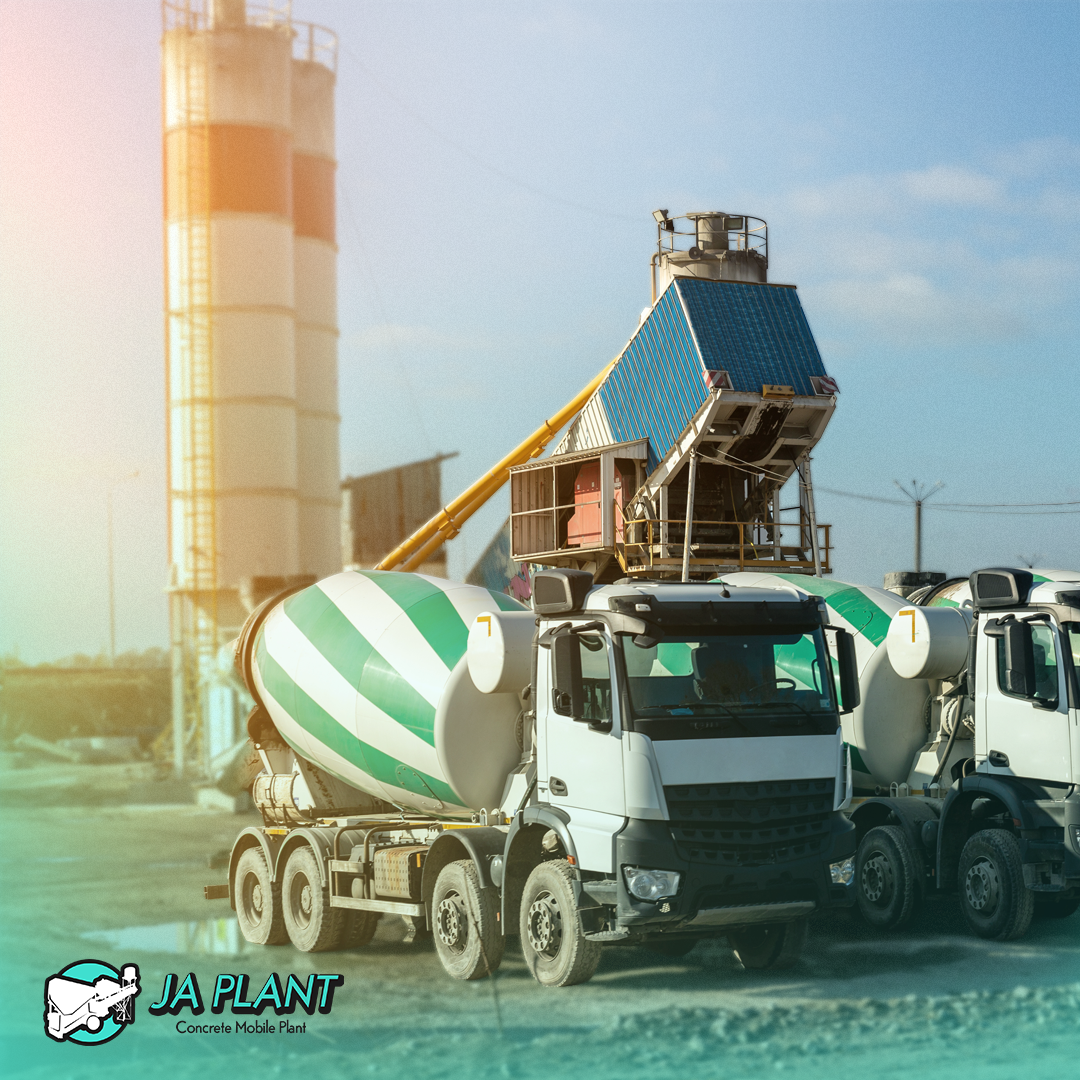
Concrete delays are rarely caused by a lack of materials. They are almost always caused by poor site preparation.
When a construction site is not properly prepared for a mobile batching plant, the result is predictable: downtime, inconsistent concrete supply, safety risks, and unnecessary operational costs.
For contractors working on remote, fast-moving, or cost-sensitive projects, mobile batching plants are an efficient way to regain control over concrete production. But to unlock those benefits, the site itself must be ready.
This guide explains exactly how to prepare a construction site for a mobile batching plant, with a practical focus on real-world conditions across South African construction environments.
Why Site Preparation Matters for Mobile Batching Plants
A mobile batching plant operates inside your production chain, not outside it.
That means:
-
Any site inefficiency affects concrete output
-
Any access issue affects delivery timing
-
Any layout mistake increases handling costs
Proper preparation ensures:
-
Consistent concrete flow
-
Faster and higher daily output
-
Reduced reliance on external suppliers
-
Improved quality control
-
Safer site operations
From an operational standpoint, preparing the site correctly is not optional; it is part of risk management.
Step 1: Assess Ground Conditions and Load-Bearing Capacity
Before positioning a mobile batching plant, the ground conditions must be assessed.
Key requirements:
-
Firm, level surface
-
Compacted ground capable of supporting plant weight
-
Drainage control to prevent water pooling
Soft soil, uneven terrain, or muddy conditions can lead to:
-
Plant instability
-
Conveyor misalignment
-
Premature mechanical wear
Best practice is to prepare an impacted hardstand area, however JA Plant recommends a concrete slab. This ensures consistent operation and protects the plant over time.
Step 2: Allocate Adequate Space for Plant and Vehicle Movement
A mobile batching plant is only as efficient as the space around it.
Your site layout must allow for:
-
Safe truck approach and exit
-
Turning space for mixer trucks
-
Clear separation between pedestrian and vehicle zones
Congested sites create bottlenecks that slow production and increase accident risk.
Plan the batching zone early, ensuring:
-
Straight-line access where possible
-
Clear signage and traffic flow
-
No conflict with excavation or crane zones
This step alone can add hours of productivity per week.
Step 3: Secure Reliable Raw Material Storage Areas
Mobile batching plants rely on consistent material feeding.
Poor material storage leads to:
-
Moisture contamination
-
Inconsistent mix quality
-
Wasted material
-
Production delays
Your site should include:
-
Clearly defined aggregate stockpile zones
-
Elevated or protected cement storage
-
Clean separation between material types
Materials should be positioned to minimise loader travel distance, reducing fuel usage and cycle time.
Step 4: Plan Water Availability Separately from the Plant
While mobile batching plants focus on dry material mixing, clean water availability remains essential for overall site operations.
Water is required for:
-
Mixer truck filling
-
Equipment cleaning
-
General site use
Water supply planning should include:
-
Dedicated water storage
-
Controlled access points
-
Clean, uncontaminated supply
This avoids production interruptions and supports consistent batching operations.
Step 5: Confirm Power and Operational Logistics
Although mobile batching plants are designed for flexibility, operational readiness still matters.
Confirm:
-
Power availability (where required)
-
Clear operating zones
-
Access for maintenance checks
Planning these logistics upfront reduces unexpected downtime and ensures smooth daily start-ups.
Step 6: Establish Safety Zones and Compliance Controls
Safety is not just a legal requirement; it is a productivity factor.
Your batching area should include:
-
Marked exclusion zones
-
Clear signage
-
Safe walkways
-
Controlled access points
Well-designed safety layouts reduce:
-
Operational stoppages
-
Injury risk
-
Compliance issues
A safe batching zone keeps crews focused and production uninterrupted.
Step 7: Prepare for Mobility and Site Changes
One of the biggest advantages of a mobile batching plant is adaptability.
As your project progresses:
-
Discharge/delivery locations changes
-
Site layouts shift
-
Production demands increase or decrease
Preparing the site with future repositioning in mind allows the plant to move efficiently without disrupting operations.
Common Site Preparation Mistakes to Avoid
Avoid these common errors:
-
Underestimating space requirements
-
Poor drainage planning
-
Mixing pedestrian and truck routes
-
Inadequate material storage
-
Reactive rather than planned setup
Each of these leads directly to lost time and increased costs.
Why Proper Site Preparation Maximises ROI on Mobile Batching Plants
A well-prepared site allows contractors to:
-
Control concrete quality
-
Reduce supplier dependency
-
Improve daily output
-
Minimise downtime
-
Lower total project risk
This is why experienced contractors treat batching plant preparation as part of project planning, not an afterthought.
How JA Plant Supports Efficient Site Setup
JA Plant designs dry mobile batching plants specifically for real construction conditions.
Their plants are:
-
Mobile and towable
-
Designed for quick setup
-
Built for consistent output
-
Suited to African sites
When combined with proper site preparation, JA Plant’s mobile batching plants allow contractors to produce concrete where and when it is needed, without compromising efficiency or control.
Final Thoughts: Preparation Determines Performance
A mobile batching plant can transform a construction project, but only if the site is ready.
By planning ground conditions, layout, materials, safety, and logistics upfront, contractors can unlock the full value of on-site batching and keep projects moving on schedule.
The plant may be mobile, but success depends on preparation.