Static vs Mobile Batching Plants
1st Apr, 2026
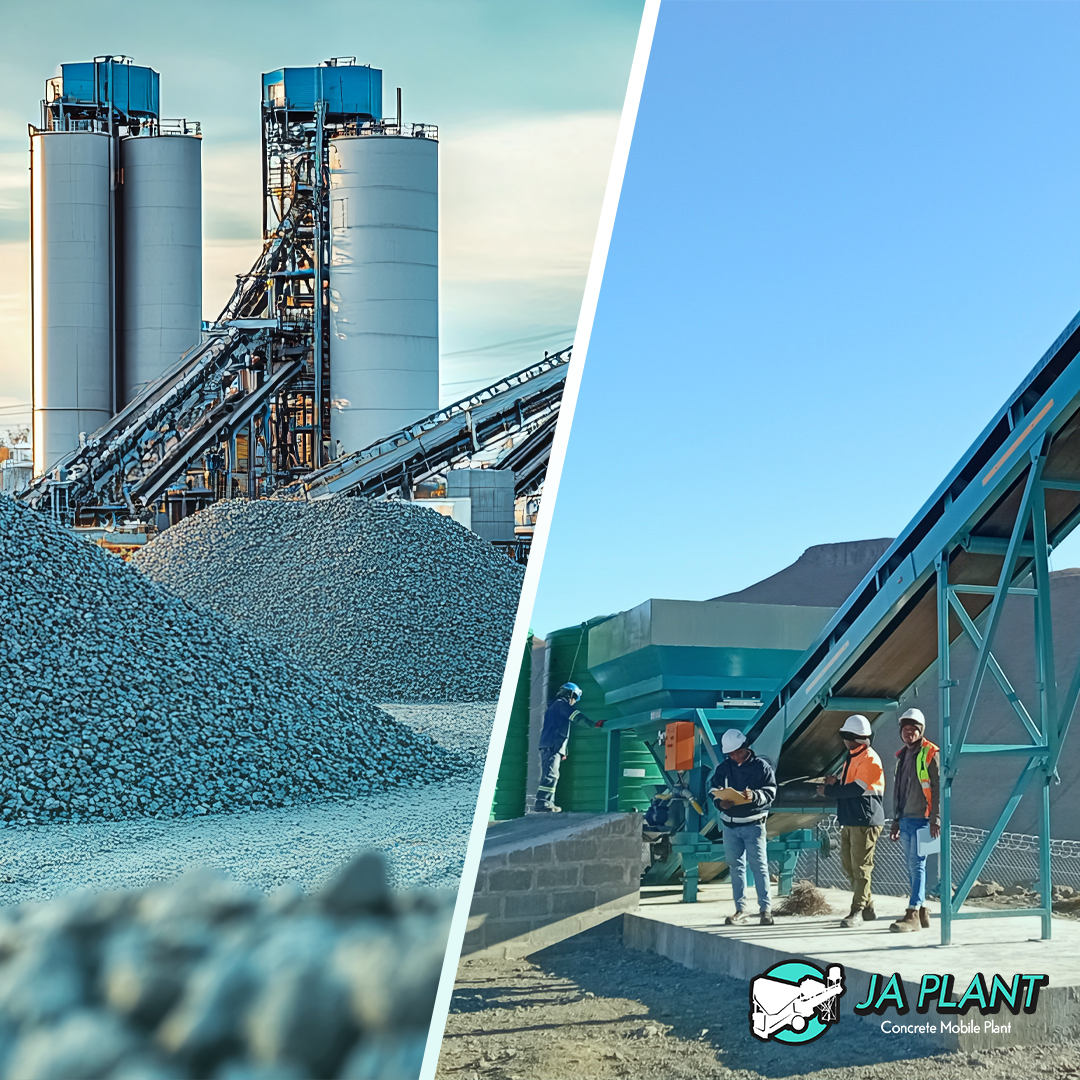
Which One is Right?
When comparing a mobile concrete batching plant and a static concrete batching plant, the real question is not which one is better.
The real question is:
Which plant structure matches your production model, project type, and long-term business strategy?
Both mobile and static batching plants can produce high-quality concrete. The difference lies in:
-
Infrastructure commitment
-
Relocation requirements
-
Production volume
-
Setup time
-
Long-term operational cost
This guide breaks down the key differences so contractors, civil companies, and project managers can make an informed investment decision.
What Is a Mobile Concrete Batching Plant?
A mobile batching plant is a fully integrated concrete production system mounted on a chassis or modular frame that allows it to be transported between sites.
Key Characteristics:
-
Designed for easy relocation
-
Minimal permanent foundation required
-
Fast setup and commissioning
-
Ideal for project-based work
-
Lower infrastructure commitment
Mobile plants are commonly used in:
-
Road construction
-
Mining operations
-
Infrastructure corridors
-
Remote civil projects
-
Dam and large earthworks projects
Production capacity typically ranges from:
-
24m³/hour to 30m³/hour (for most mobile units)
-
Higher outputs available depending on configuration
What Is a Static Concrete Batching Plant?
A static batching plant is a long term installed concrete production facility built on fixed foundations.
Key Characteristics:
-
Installed on permanent civil works
-
Optimised for long-term production
-
Higher maximum capacity potential
-
Centralised concrete yard setup
Static plants are commonly used in:
-
Commercial concrete supply yards
-
Long-term infrastructure hubs
-
High-volume urban supply operations
-
Precast factories
Production capacity typically ranges from:
-
Above 40m³, depending on configuration
Mobile vs Static Batching Plant: Detailed Comparison
1. Capital Investment & Infrastructure Cost
Mobile Batching Plant
Mobile plants reduce infrastructure commitment.
-
No large permanent foundations
-
Reduced civil works cost
-
Lower site preparation expense
-
Asset can relocate and continue generating revenue
-
Lower start-up cost
This is critical in project-driven environments where work shifts geographically.
When a project ends, the plant moves with the next contract.
Static Batching Plant
Static plants require:
-
Permanent concrete foundations
-
Yard planning
-
Long-term land allocation
If production remains fixed for a long period, this investment can be justified.
However, if demand shifts or projects relocate, fixed infrastructure can become stranded capital.
Key Consideration: If your production location is temporary, permanent infrastructure may reduce long-term Return on Investment.
2. Production Output & Capacity
One of the most searched comparisons is output capacity.
Static Plant Advantage:
-
Higher maximum production potential
-
Ideal for continuous daily supply
-
Designed for centralised dispatch
Best suited for:
-
Ready-mix suppliers
-
Urban supply networks
-
Long-term high-volume production
Mobile Plant Advantage:
-
Production follows the project
-
Eliminates long-distance concrete transport
-
Reduces slump loss and transport costs
Typical mobile plants produce:
-
30m³/hour (very common)
For many civil contractors, this output matches real project demand without oversizing capital investment.
3. Setup Time & Commissioning
Mobile Batching Plant
-
Designed for easy and faster installation
-
Reduced site preparation
-
Designed for easy relocation in a short period
Ideal for:
-
Time-sensitive contracts
-
Remote projects
-
Short- to medium-term contracts
-
Regulate mix designs and hourly out-put on site
Static Batching Plant
-
Longer civil preparation phase
-
Long term installation
-
Commissioning built around fixed infrastructure
Best suited for operations where the startup timeline is planned long-term.
4. Transport & Logistics Impact
This is often underestimated.
Transporting concrete long distances introduces:
-
Increased fuel cost
-
Slump variability
-
Risk of rejected loads
-
Delays due to traffic, terrain or breakdowns.
-
Higher truck fleet requirements
In corridor projects (roads, rail, pipelines), a mobile batching plant reduces haul distance by positioning production closer to the pour.
Static plants work efficiently when:
-
Jobs are clustered near the production yard
-
Delivery radius remains economically viable
5. Maintenance & Operational Complexity
Both plant types can produce consistent, high-quality concrete when configured properly.
However:
Mobile Plants
-
Require careful setup at each relocation
-
Components used to withstand transport stress
-
Designed for modular durability and lower maintenance
Static Plants
-
Benefit from longer calibration stability
-
Long-term refinement possible
The difference is not quality - it is operational structure.
6. Business Model Alignment
This is where the decision becomes clear.
Mobile Batching Is Structurally Correct When:
-
Projects move geographically
-
Contracts are temporary
-
Infrastructure is not permanent
-
Capital flexibility is important
-
Production must stay close to the pour
Static Batching Is Structurally Correct When:
-
Production remains in one location for long periods
-
Demand is predictable and stable
-
A permanent concrete yard is being developed
-
High daily output is required continuously
The most expensive batching plant is not the one with the highest price tag. It is the one that does not match the business model.
Cost Considerations: What Buyers Often Overlook
When comparing batching plant price, many buyers look only at purchase cost.
But total cost of ownership includes:
-
Civil works
-
Land usage
-
Transport fleet size
-
Fuel consumption
-
Durability of Plant design
-
After hour sales and availability of spare parts
-
Maintenance access
-
Relocation needs
-
Downtime risk
A lower purchase price does not always mean lower long-term cost.
Infrastructure commitment is often the biggest hidden expense.
Frequently Asked Questions
Is a mobile batching plant less accurate than a static plant?
No. Accuracy depends on calibration, load cells, and system configuration — not whether the plant is mobile or static.
Are mobile batching plants suitable for large projects?
Yes. Many infrastructure and mining projects rely on mobile batching systems specifically because production must move with the project.
Which plant has higher output?
Static plants typically offer higher hourly maximum production capacity. However, many civil projects do not require large continuous output.
Which batching plant is more cost-effective?
Cost-effectiveness depends on project duration, relocation needs, and infrastructure stability. For moving projects, mobile plants often provide stronger long-term Return of Investment.
So, Which Concrete Batching Plant Is Better?
If your production is fixed, long-term, and high-volume then a static batching plant may be the correct solution.
If your projects move, infrastructure is temporary, and flexibility improves profitability then a mobile batching plant is often the structurally stronger investment.
There is no universally superior system. There is only the system that fits your operation.
Choosing the Right Batching Plant for Your Business
Before investing, ask:
-
Will this plant relocate during its lifespan?
-
Is my production centralised or project-based?
-
What is my required m³/hour output?
-
Is infrastructure permanent or temporary?
-
Does reducing transport distance improve margins?
At JA Plant, we specialise in mobile concrete batching plants engineered for African project conditions, including remote civil works, mining, and infrastructure corridors.
If mobility aligns with your business model, we can guide you through plant selection, configuration, and implementation to ensure your investment supports long-term operational performance.
<scribe -shadow data-crx="okfkdaglfjjjfefdcppliegebpoegaii" id="crxjs-ext" style="position: fixed; width: 0px; height: 0px; top: 0px; left: 0px; z-index: 2147483647; overflow: visible; visibility: visible;"></scribe>